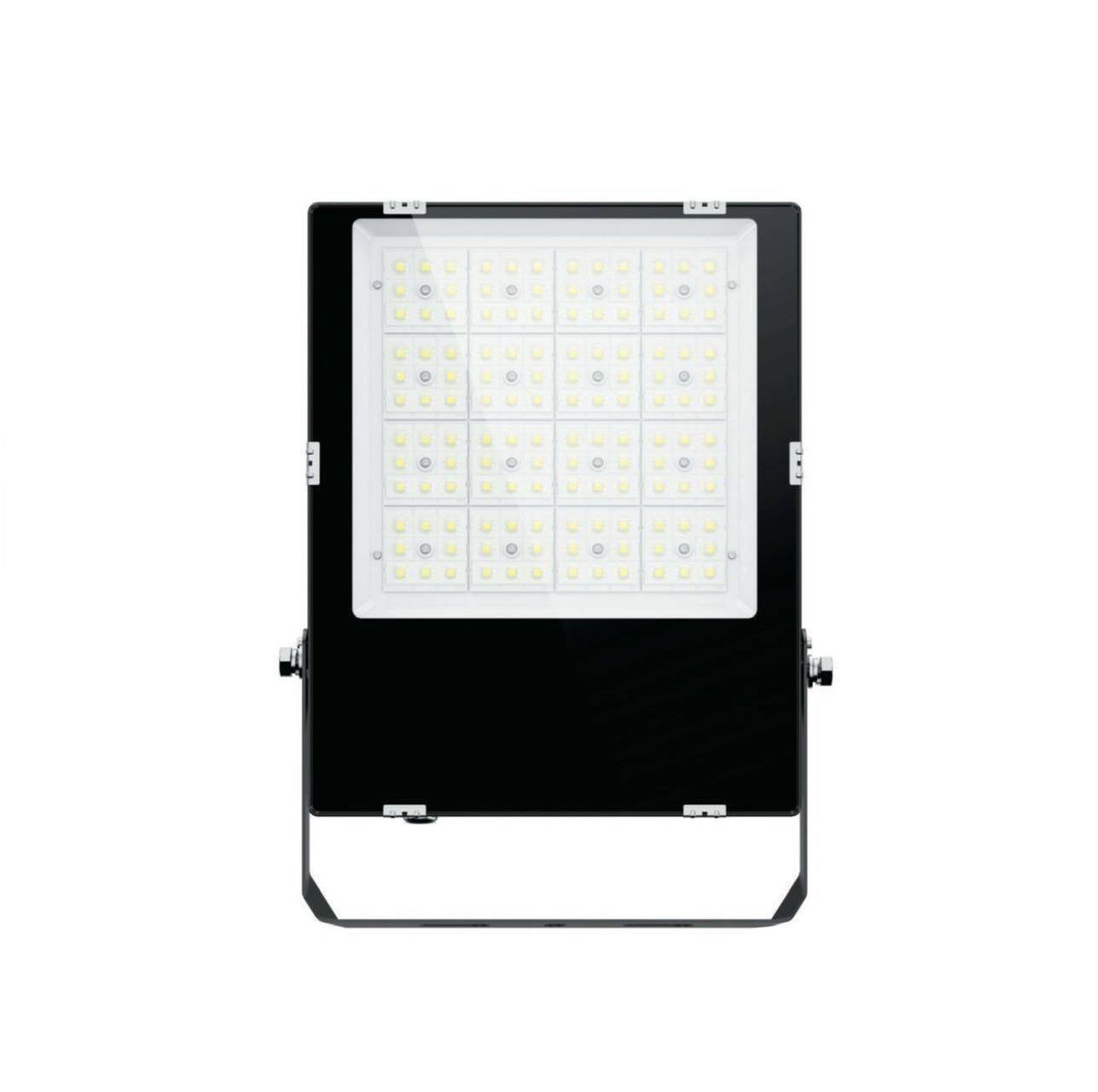









Lumens Explained: How to Choose the Right Light Brightness
lumens
Understanding Lumens: The True Measure of LED Lighting Brightness
When shopping for LED lighting, you’ll encounter a term that matters more than watts ever did: lumens. This measurement fundamentally changed how we evaluate light output, yet many people still feel confused about what lumens actually mean and how many they need for their space. As LED lighting specialists, we regularly help customers navigate this shift from the old watt-based thinking to the more accurate lumen system.
The transition from traditional incandescent bulbs to LED technology required a new language for describing brightness. While watts measure energy consumption, lumens measure the actual amount of visible light produced. This distinction is critical because LEDs produce far more light per watt than older technologies, making wattage an unreliable indicator of brightness.

What Exactly Are Lumens?
Lumens (abbreviated as lm) represent the total quantity of visible light emitted by a source in all directions. Think of lumens as the metric for light output, much like litres measure volume or kilograms measure weight. The higher the lumen count, the brighter the light appears to the human eye.
This measurement accounts for how our eyes perceive different wavelengths of light. The lumen scale is weighted toward the yellow-green part of the spectrum, around 555 nanometres, where human vision is most sensitive. This means the measurement reflects not just raw energy output, but useful, visible brightness.
A single candle produces approximately 12 lumens. A traditional 60-watt incandescent bulb emits around 800 lumens. Modern LED bulbs can produce those same 800 lumens using just 8-10 watts of electricity. This efficiency explains why lumens, not watts, now serve as the standard for comparing light sources.
The Difference Between Lumens and Watts
Many people still associate brightness with wattage because that’s how we shopped for bulbs for over a century. A 100-watt bulb was brighter than a 60-watt bulb. Simple. However, this correlation only worked because most bulbs used the same inefficient technology—incandescent filaments that converted most electricity into heat rather than light.
LEDs shattered this relationship. An LED using 10 watts can produce more light than an incandescent using 60 watts. Suddenly, wattage became meaningless as a brightness indicator. It only tells you about energy consumption, not illumination.
Here’s a practical comparison chart showing the lumen output you can expect from different technologies:
- Incandescent 40W = approximately 450 lumens (LED equivalent: 5-6W)
- Incandescent 60W = approximately 800 lumens (LED equivalent: 8-10W)
- Incandescent 75W = approximately 1,100 lumens (LED equivalent: 11-13W)
- Incandescent 100W = approximately 1,600 lumens (LED equivalent: 14-17W)
When replacing traditional bulbs with LED alternatives, always check the lumen rating rather than trying to match wattage. This ensures you maintain the same brightness level while dramatically reducing energy consumption.
How Many Lumens Do You Actually Need?
Determining the right amount of lumens depends on the room size, purpose, and personal preference. Different activities require different light levels. Reading demands more lumens than ambient mood lighting. A kitchen workspace needs brighter illumination than a bedroom.
How much do you save
met LED?
Enter your current situation and see your savings instantly.
EUR 0,001
Counter running…
Professional lighting designers use a measurement called lux (lumens per square metre) to calculate appropriate lighting levels. However, for residential applications, general guidelines work well for most situations.
Living Room and Bedrooms
For general living spaces, aim for approximately 1,500 to 3,000 lumens total, depending on room size. A typical living room of about 20 square metres benefits from around 2,000-2,500 lumens distributed across multiple light sources. This creates comfortable ambient lighting suitable for relaxing, watching television, or entertaining guests.
Bedrooms generally require less intense lighting, ranging from 1,000 to 2,000 lumens for the primary lighting. Consider adding task lighting with focused lumens near reading areas, while keeping ambient levels lower to maintain a restful atmosphere.
Kitchens and Workspaces
Kitchens demand brighter illumination due to the detailed tasks performed there—food preparation, cooking, and cleaning. Plan for 4,000 to 8,000 lumens total for an average-sized kitchen, with concentrated task lighting over work surfaces, countertops, and the cooker.
Home offices and workshop spaces similarly benefit from higher lumen counts, typically 3,000 to 6,000 lumens depending on size. Good lighting reduces eye strain during extended work periods and improves productivity.
Bathrooms and Hallways
Bathrooms require adequate lighting for grooming tasks, particularly around mirrors. Target 4,000 to 6,000 lumens for a family bathroom, with dedicated lighting around the mirror area. Smaller powder rooms need only 1,000 to 1,500 lumens.
Hallways and corridors need sufficient lighting for safe navigation without being overwhelming. Generally, 500 to 1,000 lumens works well for most residential hallways, adjusted for length and width.
Lumens Per Square Metre: A Practical Approach
A reliable method for calculating lighting needs involves determining lumens per square metre based on room function. This approach provides consistent, comfortable illumination regardless of space size.
Here are recommended levels for different areas:
- Living areas and bedrooms: 100-150 lumens per square metre
- Kitchens and workspaces: 300-400 lumens per square metre
- Bathrooms: 200-300 lumens per square metre
- Hallways and stairs: 100-200 lumens per square metre
- Dining rooms: 150-250 lumens per square metre
To use this method, measure your room in square metres and multiply by the recommended lumens per square metre for that space type. For example, a 15-square-metre kitchen would need approximately 4,500-6,000 lumens total (15 × 300-400).
Remember that these calculations represent total lumens from all light sources combined. Distribute this across multiple fixtures rather than relying on a single bright source for better light distribution and reduced glare.
Lumens vs Lux: Understanding the Relationship
While lumens measure total light output, lux measures light intensity at a specific point—essentially lumens per square metre at a surface. A light source might emit 1,000 lumens, but the lux level varies with distance and distribution.
Think of it this way: lumens are like the total water output from a hose, while lux is the water pressure at the point where it hits the ground. The same 1,000 lumens concentrated in a narrow spotlight creates higher lux at the centre than the same 1,000 lumens spread across a wide floodlight beam.
This relationship matters when positioning lights. A 1,000-lumen bulb placed two metres from a surface delivers different lux than the same bulb one metre away. The intensity decreases with the square of the distance—doubling the distance quarters the lux level.
Common Misconceptions About Lumens
Several myths surround lumens that lead to poor lighting choices. Understanding these misconceptions helps you make better decisions.
More Lumens Always Means Better Lighting
Brightness isn’t everything. Excessive lumens create glare, eye fatigue, and harsh shadows. The quality of light—its colour temperature, colour rendering, and distribution—matters as much as quantity. A well-designed lighting scheme with moderate lumen levels often outperforms a single high-lumen source.
All Lumens Are Equal
Not all lumens appear equally bright to our eyes. A cool white LED at 5,000K with 800 lumens appears brighter than a warm white LED at 2,700K with identical lumens. This occurs because cooler colour temperatures contain more blue wavelengths, which our eyes perceive as brighter even when actual lumen output matches.
Lumen Output Remains Constant
LED brightness degrades gradually over time, a phenomenon called lumen depreciation. Quality LEDs maintain 70% of initial lumens after 50,000 hours (the L70 rating), but cheaper products may dim faster. Always consider rated lifespan and lumen maintenance when comparing products.
Choosing the Right Lumen Level for Different LED Types
Different LED products serve different purposes, each with appropriate lumen ranges.
Our Products
LED High Bay DOB Serie – 100W – 4000K – 120LM/W – IP65 | Beam Angle 90°
Out of stock
| SKU |
100190-4K |
|---|---|
| Quantity | |
| Watt | |
| Replacement wattage |
500 Watt |
| Luminous flux |
12.000 Lumen |
| Lumen per Watt | |
| Color temperature | |
| Beam angle | |
| IP-Rating |
IP65 |
| Driver | |
| Dimmable | |
| Material |
Aluminium |
| Energy label | |
| Operating hours |
50,000 Hours |
| Operating temperature |
-20 to 55°C |
| Cabel Lenght |
30CM Long |
| Voltage |
200-240V ,AC |
| Colour rendering index (CRI) |
Ra>80 |
| Power factor |
>0.9 |
| Certifications |
CE ,RoHS |
| Colour | |
| Warranty |
Aluminium Reflector 100W LED UFO High Bay | Beam Angle 90° Black
In stock
LED High Bay 150W – 4000K – 150LM/W | SOSEN 1-10V Dimmabler Driver + 1m Cable Including
In stock
| SKU |
10102657 |
|---|---|
| Quantity | |
| Watt | |
| Replacement wattage |
750 Watt |
| Luminous flux |
22.500 Lumen |
| Lumen per Watt | |
| Color temperature | |
| Beam angle | |
| IP-Rating |
IP65 |
| IK-Rating |
IK08 |
| LED-Chips |
Philips LED |
| Driver | |
| Dimmable | |
| Glare protection | |
| Material |
Cast Aluminium |
| Energy label | |
| Operating hours |
50,000 Hours |
| Operating temperature |
-40 to 60°C |
| Cabel Lenght |
100CM Long |
| Voltage |
100-277V ,50/60Hz |
| Colour rendering index (CRI) |
Ra>80 |
| Power factor |
>0.95 |
| Certifications |
CE ,RoHS |
| Protection |
OCP ,OTP ,OVP ,SCP |
| Colour | |
| Warranty |
LED High Bay 120W-160W-200W – 210LM/W – 4000K – Philips Driver – 90° – IP65 – 0-10V Dimmable | 5 Year Warranty
In stock
| SKU |
9475163-4K |
|---|---|
| Quantity | |
| Watt | |
| Replacement wattage |
1200 Watt |
| Luminous flux |
42.000 Lumen |
| Lumen per Watt | |
| Color temperature | |
| Beam angle | |
| IP-Rating |
IP65 |
| Driver | |
| Dimmable | |
| Glare protection | |
| Material |
Aluminium |
| Energy label | |
| Operating hours |
50,000 Hours |
| Operating temperature |
-20 to 55°C |
| Voltage |
200-240V ,AC |
| Colour rendering index (CRI) |
Ra>70 |
| Power factor |
>0.95 |
| Certifications |
CE ,RoHS |
| Colour | |
| Warranty |
LED High Bay with Motion Sensor 100W – 4000K – SOSEN Driver – 120° – 150lm/W – IP65 – 0-10V Dimmable | 5 Year Warranty
In stock
| SKU |
6513256-4K |
|---|---|
| Quantity | |
| Watt | |
| Replacement wattage |
500 Watt |
| Luminous flux |
15.000 Lumen |
| Lumen per Watt | |
| Color temperature | |
| Beam angle | |
| IP-Rating |
IP65 |
| Driver | |
| Dimmable | |
| Glare protection | |
| Material |
Aluminium |
| Reflectors |
Aluminium schwarz ,Aluminium silber |
| Why a reflector? |
Erzeugt UGR<22 & Abstrahlwinkel 90° |
| Energy label | |
| Operating hours |
50,000 Hours |
| Operating temperature |
-20 to 55°C |
| Voltage |
200-240V ,AC |
| Colour rendering index (CRI) |
Ra>80 |
| Power factor |
>0.95 |
| Certifications |
CE ,RoHS |
| Colour | |
| Warranty | |
| Sensor |
LED High Bay 200W – 5000K, 150lm/W – SOSEN 1-10V Dimmabler Driver + 1m Cable including
In stock
| SKU |
10102673 |
|---|---|
| Quantity | |
| Watt | |
| Replacement wattage |
1000 Watt |
| Luminous flux |
30.000 Lumen |
| Lumen per Watt | |
| Color temperature | |
| Beam angle | |
| IP-Rating |
IP65 |
| IK-Rating |
IK08 |
| LED-Chips |
Philips LED |
| Driver | |
| Dimmable | |
| Glare protection | |
| Energy label | |
| Operating hours |
50,000 Hours |
| Operating temperature |
-40 to 60°C |
| Cabel Lenght |
100CM Long |
| Voltage |
100-277V ,50/60Hz |
| Colour rendering index (CRI) |
Ra>80 |
| Power factor |
>0.95 |
| Certifications |
CE ,RoHS |
| Protection |
OTP, OCP, OVP, SCP |
| Colour | |
| Warranty |
LED Strip Lighting
Strip lighting typically provides 200-1,000 lumens per metre depending on LED density and quality. Lower-lumen strips (200-400 lm/m) work for accent lighting, highlighting architectural features, or creating ambient effects. Higher-output strips (600-1,000+ lm/m) function as primary task lighting under cabinets or in display cases.
Panel Lights
LED panel lights for ceiling mounting typically range from 2,000 to 6,000 lumens depending on size. A standard 60×60cm panel usually delivers 3,000-4,000 lumens, suitable for office spaces, commercial environments, or residential rooms requiring even, shadow-free illumination.
Spotlights and Downlights
Individual spotlight and downlight fixtures generally provide 300-1,200 lumens. Select based on ceiling height, beam angle, and purpose. Lower lumens suit ambient lighting in multiple-fixture installations, while higher outputs work for focused task lighting or higher ceilings.
Practical Tips for Optimising Your Lighting
Achieving ideal illumination involves more than selecting the right lumen count. Consider these practical strategies:
Layer your lighting: Combine different light sources at various lumen levels—ambient lighting for general illumination, task lighting for specific activities, and accent lighting for visual interest. This approach provides flexibility and creates more sophisticated lighting than a single bright source.
Use dimmers: Installing dimmers allows you to adjust lumen output based on time of day, activity, and mood. Start with higher lumens than you think necessary, then dim to preference. This proves more effective than installing insufficient lumens with no adjustment capability.
Consider beam angles: A narrow beam concentrates lumens into a smaller area, increasing intensity where it matters. Wide beams distribute the same lumens across larger areas, reducing intensity but improving coverage. Match beam angles to your specific needs.
Account for surface colours: Dark surfaces absorb light while pale surfaces reflect it. Rooms with dark furniture and walls require additional lumens to achieve the same perceived brightness as rooms with lighter décor.
Think about colour temperature: Warmer colour temperatures (2,700-3,000K) create cosy, relaxing atmospheres but may require slightly higher lumens for task visibility. Cooler temperatures (4,000-5,000K) appear brighter at the same lumen count and suit workspaces better.
The Future of Lumens in LED Technology
LED technology continues advancing rapidly, with manufacturers achieving higher lumens per watt each year. Modern high-quality LEDs produce 150-180 lumens per watt, compared to 40-60 lm/W from early LED products. This improvement means today’s LEDs provide more light using less energy than ever before.
Smart LED systems now offer controllable lumen output through apps and automation. Set different brightness levels for morning, afternoon, and evening automatically. Program lights to adjust based on natural daylight availability, maintaining consistent lumen levels throughout the day while maximising energy savings.
As LED efficiency improves, expect fixtures to become smaller and more versatile while maintaining or increasing lumen output. Thin, flexible LED products that deliver high lumens will enable lighting solutions previously impossible with bulky traditional fixtures.
Making Informed Decisions About Lumens
Understanding lumens empowers you to create lighting that truly serves your needs. Rather than guessing based on outdated wattage equivalents or simply buying the brightest option available, you can calculate precisely how many lumens your space requires and distribute them effectively.
When evaluating LED products, always check the lumen rating prominently displayed on packaging and specifications. Compare lumens between products to ensure you’re getting appropriate brightness. Factor in colour temperature, beam angle, and quality indicators like CRI (Colour Rendering Index) alongside lumens for comprehensive assessment.
Remember that lighting is both science and art. While calculations provide excellent starting points, personal preference matters. Some people prefer brighter spaces while others favour subtler illumination. Use lumen guidelines as foundations, then adjust to your specific tastes and requirements.
Quality LED lighting transforms spaces, enhancing functionality, mood, and energy efficiency simultaneously. By understanding lumens and applying this knowledge thoughtfully, you’ll create lighting schemes that perfectly balance brightness, atmosphere, and practicality.
Ready to upgrade your lighting with precisely the right lumen levels for your space? Explore our complete range of professional LED lighting solutions at Clightstore, where expert guidance meets cutting-edge technology to illuminate your world perfectly.
style=”max-width:800px;margin:40px auto;”>
Frequently Asked Questions
Getting Started
Understanding lumens is essential for making informed LED lighting decisions. By focusing on lumen output rather than traditional wattage, you can ensure each space receives appropriate illumination while maximizing energy efficiency. Remember that different activities and rooms require varying lumen levels, so consider both the total lumens needed and how they will be distributed throughout your space. Quality LED products provide consistent lumen output over many years, making them a reliable long-term investment. When planning your lighting project, consult lumen recommendations specific to your room type and size for the best results.