Colour Temperature LED: 2700K to 6000K – Effect & Choosing the Right One
From 2700K warm white to 6000K daylight white: which LED colour temperature suits which application – with standard values, tables and B2B recommendations.
The colour temperature of an LED luminaire – measured in Kelvin (K) – determines whether the light appears warm and yellowish or cool and bluish, and thereby influences concentration, wellbeing and regulatory compliance in the workplace. For commercial projects in industry, warehousing, sport and outdoor applications, the correct Kelvin value is not a matter of taste but a technical and normative requirement. This guide shows you which colour temperature applies to which application – including reference values from BS EN 12464-1 and BS EN 12193.
- Colour temperature describes the visual impression of light: 2700K = warm white/yellowish, 4000K = neutral white, 6000K = daylight white/bluish.
- For offices and workplaces, BS EN 12464-1 does not specify a mandatory Kelvin value; in practice, 3000–4000K and a minimum of Ra 80 have become the accepted standard.
- Warehouses require a minimum of 100 lux and Ra ≥ 60 according to BS EN 12464-1 – 4000K neutral white is the practical standard here.
- Sports halls are classified into three categories under BS EN 12193; for TV broadcasts (Class I), 5000–6000K and Ra ≥ 80 are recommended.
- Colour temperature (Kelvin) and colour rendering (Ra/CRI) are two separate parameters – both must be considered when selecting luminaires.
What is Colour Temperature – and Why Does Kelvin Not Equal Brightness?
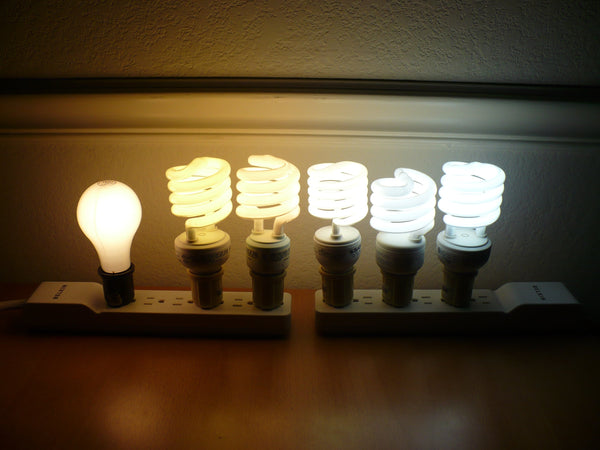
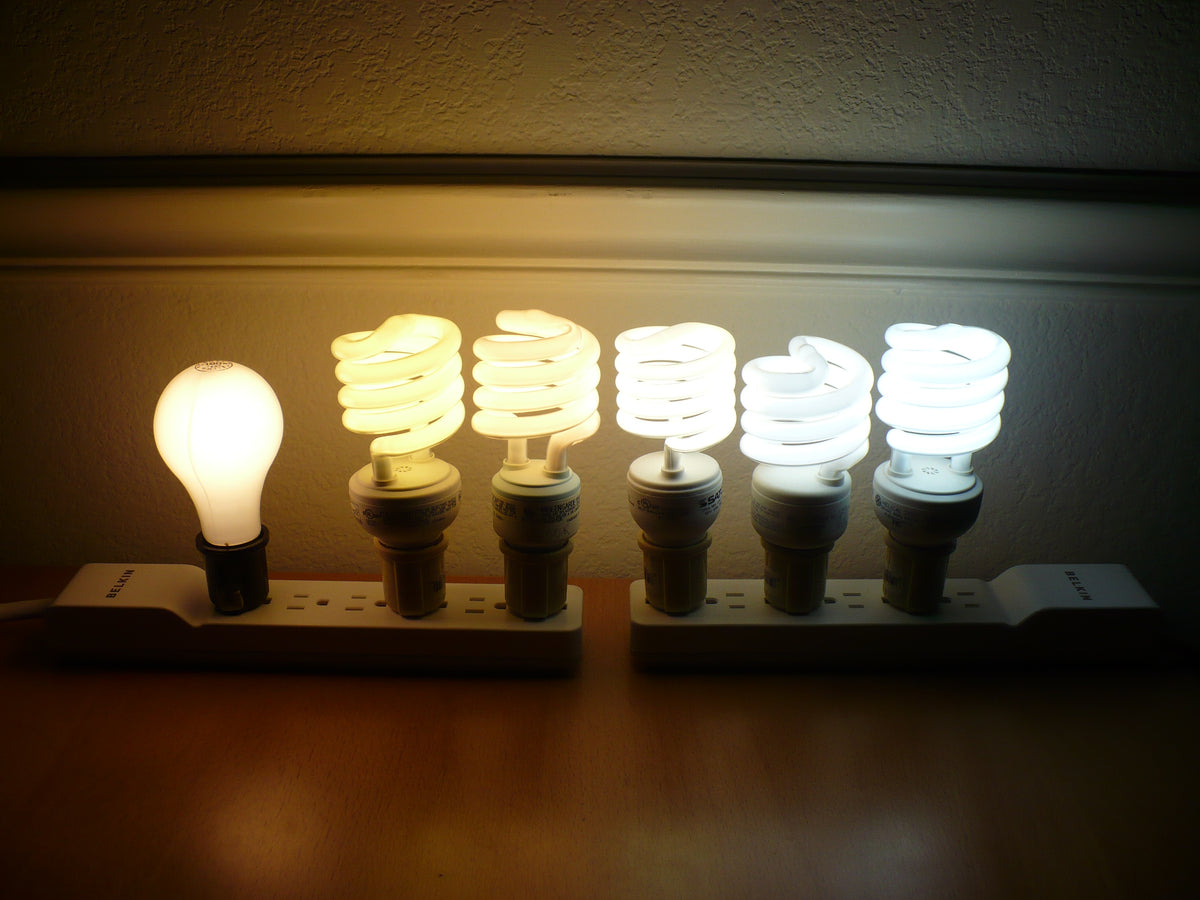
Colour temperature indicates the visual impression produced by a light source. It is expressed in Kelvin (K) and is derived from the radiation behaviour of a theoretical black body, which glows from red through yellow to white and finally blue as its temperature rises. A low Kelvin value means warm, yellowish light; a high Kelvin value denotes cool, bluish light.
Important in practice: Kelvin says nothing about brightness. Two LED luminaires with identical wattage and identical luminous flux (lumens) can have different colour temperatures. Cool white may appear clearer and have greater contrast, but it is not automatically brighter than warm white.
Colour temperature must also be distinguished from colour rendering (Ra or CRI). The Ra value describes how naturally colours appear under a given light source – regardless of whether the light is warm or cool. Both values must be assessed separately when selecting luminaires for commercial projects.
The Kelvin Scale at a Glance: From 2700K to 6500K
| Designation | Kelvin Range | Light Character | Typical Application |
|---|---|---|---|
| Extra Warm White | 1800–2500K | Very yellowish, close to candlelight | Hospitality, hotel lobbies, accent lighting |
| Warm White | 2700–3000K | Yellowish-warm, relaxing | Residential spaces, reception areas, retail (textiles, food) |
| Neutral White | 3300–4000K | Balanced, natural | Offices, workshops, warehouses, sports halls |
| Cool White | 4000–5000K | Clear, stimulating | Industry, production, operating theatres, cold stores |
| Daylight White | 5000–6500K | Bluish-clear, stimulating | Outdoor lighting, TV sports venues, cleanrooms |
Colour Temperature and Colour Rendering: Kelvin vs. Ra/CRI
A common planning error in the B2B sector is confusing colour temperature with colour rendering. The Ra value (also known as CRI) indicates on a scale of 0 to 100 how faithfully colours appear under a given light source. Ra 100 corresponds to daylight as the reference.
For simple warehouse areas, BS EN 12464-1 requires a minimum of Ra ≥ 60. Offices and workshops require Ra ≥ 80. Quality control, colour inspection and medical areas require Ra ≥ 90. A 4000K luminaire with Ra 70 is unsuitable for colour inspection work – even if the Kelvin value is correct.
Always check both parameters when selecting luminaires: Kelvin for the colour impression, Ra for colour quality. Clightstore states both values transparently in its product data sheets.
Standard-Compliant Colour Temperature by Application
The following table summarises the key requirements from BS EN 12464-1 (workplaces, interiors) and BS EN 12193 (sports facility lighting). The lux and Ra values given are maintained values (Em) in accordance with the standard. The Kelvin recommendations are not mandated by the standards themselves but represent the recognised state of the art.
| Area | Standard | Em min. (Lux) | UGR max. | Ra min. | Rec. Kelvin |
|---|---|---|---|---|---|
| Office (writing, reading, screen work) | BS EN 12464-1 | 500 lx | 19 | 80 | 3000–4000K |
| Workshop, fine work | BS EN 12464-1 | 750 lx | 19 | 80 | 4000–5000K |
| Warehouse, general | BS EN 12464-1 | 100 lx | 25 | 60 | 4000K |
| Industrial hall, heavy work | BS EN 12464-1 | 200 lx | 25 | 60 | 4000–5000K |
| Sports hall, Class III (school sport) | BS EN 12193 | 200 lx | – | 65 | 4000K |
| Sports hall, Class II (regional competition) | BS EN 12193 | 300–500 lx | – | 65 | 4000K |
| Sports hall, Class I (national/TV) | BS EN 12193 | 500–750 lx | – | 80 | 5000–6000K |
| Outdoor facility, floodlight | BS EN 12193 | 200–500 lx | – | 65 | 5000–6000K |

Recommendations by Customer Segment
Offices and Administration: 3000–4000K
For office workstations, 4000K neutral white has become the established standard. The light feels alert and stimulating without the harshness of daylight white. Creative areas or reception zones benefit from 3000K, which creates a more pleasant atmosphere. LED panels in 60×60 cm or 120×60 cm formats are the most widely used solution for office ceilings.
In Human-Centric Lighting (HCL) systems, the colour temperature is varied dynamically between 3000K and 6500K to support the natural circadian rhythm. Such tunable white systems are particularly relevant for shift operations and production facilities.
Warehouses and Logistics: 4000K
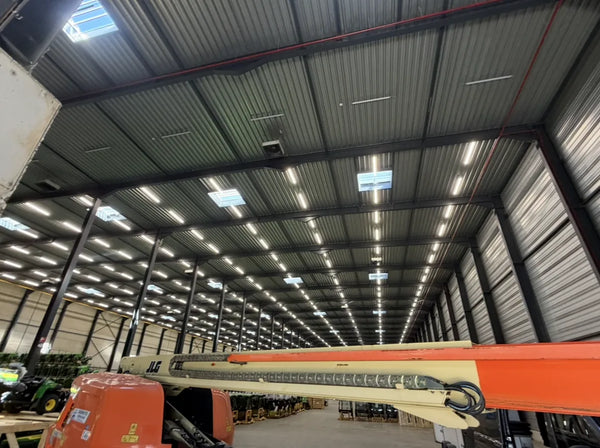
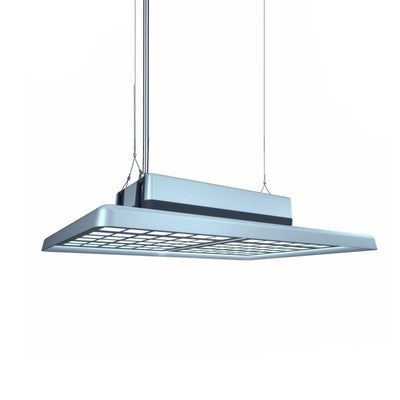
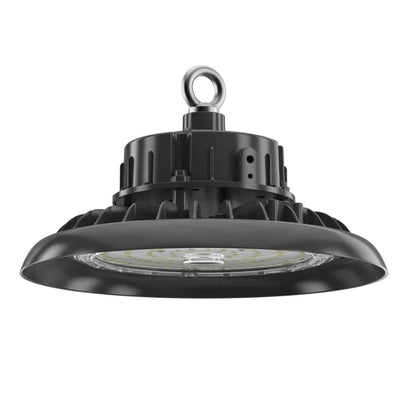
In warehouses, efficiency is the priority. 4000K neutral white provides sufficient clarity for order picking and stock-taking without straining the eyes. BS EN 12464-1 requires a minimum of 100 lux in general warehouse areas – at picking stations the requirements rise to 200–300 lux. LED tri-proof lights and LED high bays are the typical luminaire types for this environment.
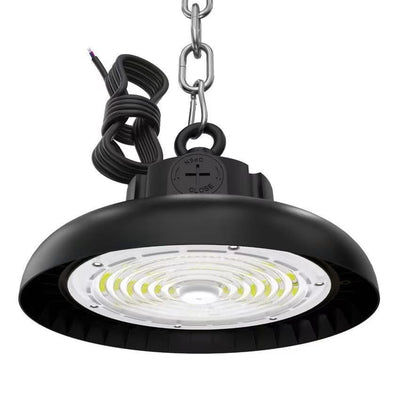
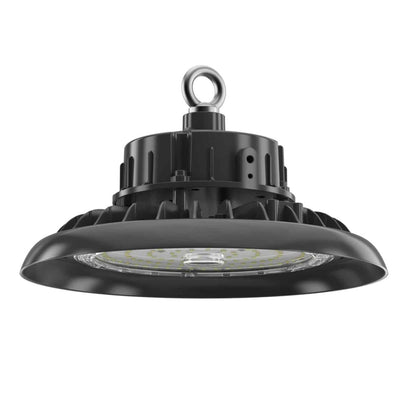
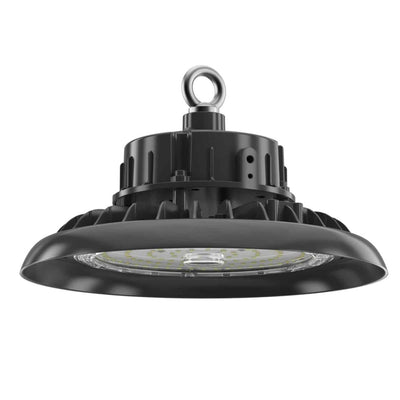
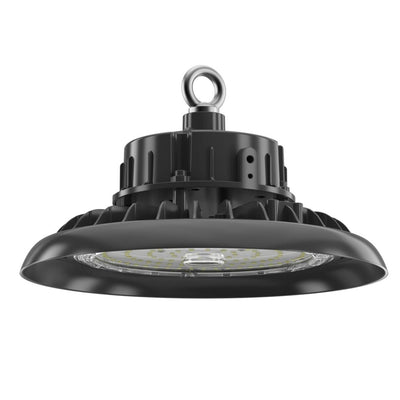
Proven LED high bays for warehouses and industry – standard-compliant, efficient, up to 5 years' warranty:
Industrial Halls and Production: 4000–5000K
In production environments, the optimum colour temperature depends on the task. Heavy assembly work is well served by 4000K; quality control, colour inspection and precision engineering require 5000K and Ra ≥ 90. In areas at risk of explosion (Ex zones), only ATEX explosion-proof LED luminaires are permitted – colour temperature is secondary to the certification in such cases.
Linear lights and high bays with 0–10V dimming allow flexible adjustment of illuminance to suit different shifts and tasks. Note that dimming can slightly shift the colour temperature of standard LEDs – tunable white systems maintain a constant Kelvin value.

Sports Halls: 4000–6000K Depending on Class
BS EN 12193 distinguishes three lighting classes for sports facilities. For school sport and recreational sport (Class III), 4000K and 200 lux are sufficient. Regional competitive use (Class II) requires 300–500 lux, likewise at 4000K. For national competitions and TV broadcasts (Class I), 5000–6000K is recommended, as cameras render colours more naturally at higher colour temperatures.
For outdoor sports facilities – whether a football pitch, tennis court or padel court – 5000–6000K and IP65 are standard. The higher colour temperature improves contrast perception outdoors and therefore the visibility of the ball.
Outdoor Lighting and Floodlights: 5000–6000K
Outdoors, daylight white (5000–6000K) ensures good visibility and safety. Façades, company premises and car parks are illuminated with LED floodlights at this colour temperature. The higher Kelvin value improves contrast perception in darkness. Ensure a minimum of IP65 for all outdoor luminaires – further information on ingress protection ratings can be found in our guide to IP protection ratings.
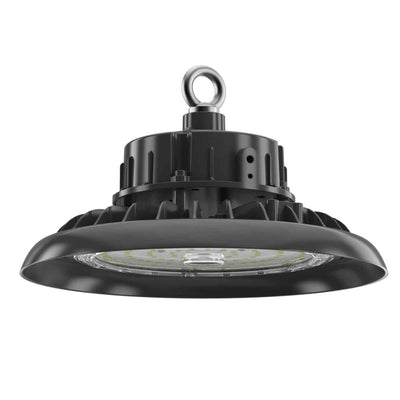
High-performance LED outdoor floodlights for façades, sports facilities and business premises – with adjustable colour temperature and 5 years' warranty:

Tunable White and CCT: Controlling Colour Temperature Flexibly
Tunable white luminaires (also referred to as CCT-adjustable) allow the colour temperature to be changed steplessly via remote control, push-button or building automation – typically between 2700K and 6500K. This is particularly relevant for multi-shift operations, where early and night shifts require different lighting conditions, as well as for Human-Centric Lighting concepts in production environments.
For large-scale projects, Clightstore offers CCT-adjustable LED panels and high bays that integrate into existing control systems. Our complimentary DIALux light planning service helps you determine the optimum Kelvin setting for every area of your facility.
Warm White vs. Cool White: The Most Common Misconceptions
"Cool white is brighter" – this is incorrect. Brightness is measured in lumens, not Kelvin. A 100W LED at 4000K can have the same luminous flux as a 100W LED at 2700K. The impression of greater brightness with cool white arises from its higher blue content, which stimulates the human eye more strongly.
"Warm white is always cosier" – this is only true in a domestic context. In warehouses or workshops, warm white (2700–3000K) appears dull and makes it harder to distinguish colours and contours. For commercial working environments, warm white is generally unsuitable.
"Blue light is harmful" – a nuanced view is required here: high blue content (above 5000K) can suppress melatonin production in the evening and affect the sleep-wake cycle. In production facilities with night shifts, the colour temperature should therefore not be permanently set to 6000K – tunable white systems offer the most practical solution in this context.
Frequently Asked Questions
What is the difference between warm white and cool white?
Warm white (2700–3000K) produces a yellowish-warm light that feels relaxing and is reminiscent of incandescent lamps. Cool white (above 5000K) is bluish-clear and stimulating. The difference lies solely in the colour temperature, not in brightness. For commercial working environments, neutral white (4000K) is usually the best choice.
Is cool white brighter than warm white?
No. Brightness is measured in lumens (lm) and is independent of colour temperature. Cool white appears clearer and has greater contrast due to its higher blue content, but it is not automatically brighter at the same wattage. Always compare luminous flux in lumens, not the Kelvin value.
Which colour temperature is required for offices?
BS EN 12464-1 does not prescribe a specific Kelvin value. In practice, 4000K neutral white has become the accepted standard for offices. More important than the Kelvin value are the maintained illuminance of 500 lux, UGR ≤ 19 and Ra ≥ 80.
Which colour temperature for warehouses and industry?
For warehouses, 4000K neutral white is the practical standard. BS EN 12464-1 requires a minimum of 100 lux in general warehouse areas and Ra ≥ 60. At picking stations the requirements rise to 200–300 lux. For industrial halls with quality control, 5000K and Ra ≥ 90 are recommended.
Which colour temperature for sports halls and outdoor sports facilities?
Under BS EN 12193, 4000K is the standard for sports halls in Classes II and III. For TV broadcasts (Class I), 5000–6000K is recommended, as cameras render colours more naturally at higher colour temperatures. Outdoor sports facilities (football, tennis, padel) are also illuminated at 5000–6000K with IP65 luminaires.
What do CCT and tunable white mean?
CCT stands for Correlated Colour Temperature – i.e. the colour temperature in Kelvin. Tunable white luminaires allow the colour temperature to be changed steplessly, typically between 2700K and 6500K. This is particularly relevant for multi-shift operations and Human-Centric Lighting concepts in which the light is adapted to the natural circadian rhythm.
What is the difference between colour temperature (Kelvin) and colour rendering (Ra/CRI)?
Colour temperature (Kelvin) describes the visual impression of the light – warm or cool. The Ra value (CRI) describes how naturally colours appear under that light source. Both values are independent of one another: a 4000K luminaire can have Ra 70 or Ra 95. For quality control and colour inspection, Ra ≥ 90 is required, regardless of the Kelvin value.
Can I change the colour temperature of an LED luminaire retrospectively?
With standard LEDs, the colour temperature is fixed and cannot be altered. Tunable white luminaires (CCT-adjustable) allow subsequent adjustment via remote control, push-button or building automation. If you require flexibility, CCT-adjustable luminaires should be specified from the outset. Clightstore is happy to advise you as part of our complimentary DIALux light planning service.
Our light planning team will produce a complimentary DIALux simulation with standard-compliant illuminance values, colour temperature recommendations and product selection – for warehouses, industry, sport and outdoor facilities. EU-wide delivery in 2–5 working days, up to 5 years' warranty.
Request a complimentary light plan