CRI and Colour Rendering Explained: Ra, R9 and the Right Value
Colour rendering explained: what Ra/CRI measures, which value each application needs, why R9 matters and the trade-off between colour rendering and efficiency.
Two luminaires can be equally bright and still look completely different: under one, colours look natural; under the other, skin tones look pale and red turns brown. The reason is colour rendering, stated as the Ra or CRI value. This guide explains what the value means, which value each application needs and what to look for in the data sheet.
- The colour rendering index Ra (CRI) indicates how natural colours look under a light source, on a scale up to 100.
- Ra 80 is the minimum for indoor workplaces under EN 12464-1.
- Ra 90 and above for colour inspection, healthcare, food and fashion retail, art and showrooms.
- R9 (saturated red) is not included in Ra and is often very low in cheap LEDs.
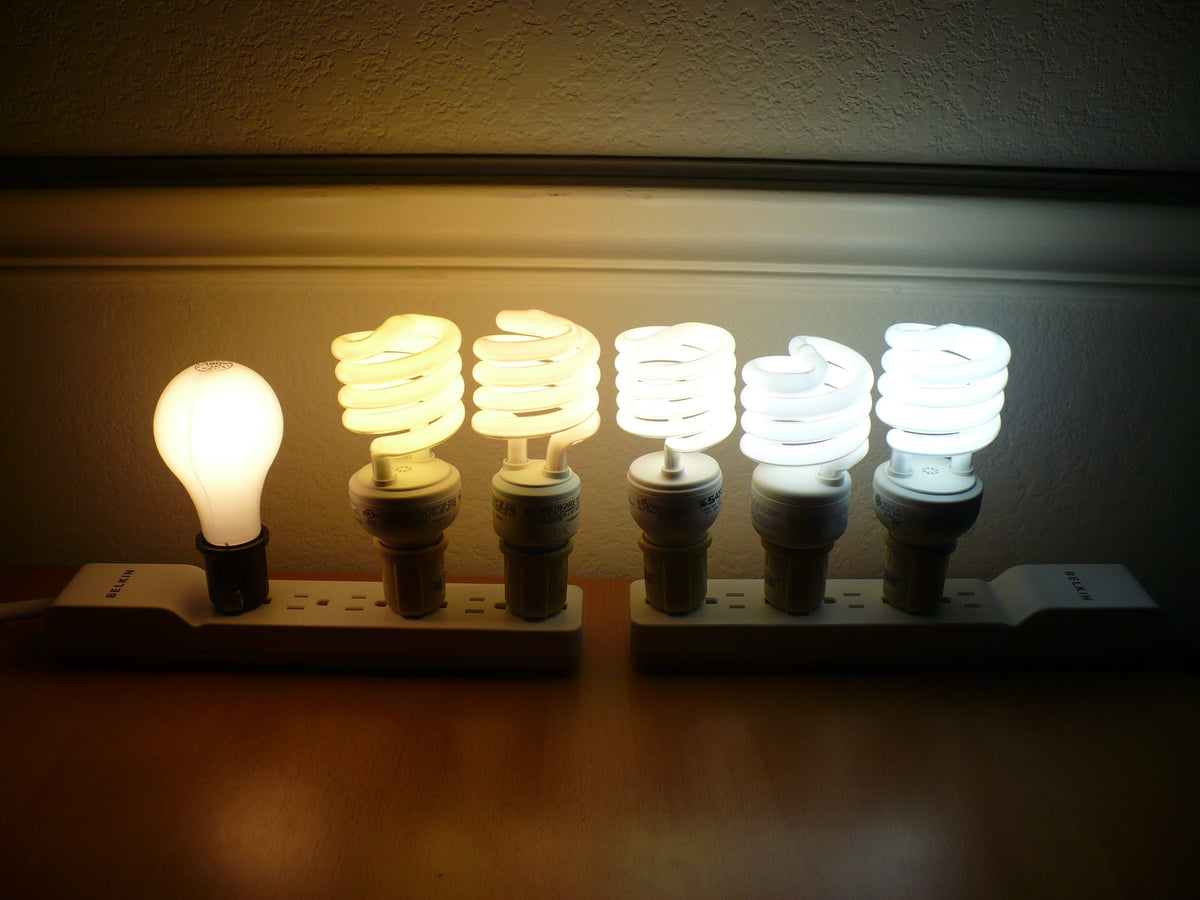
- Colour rendering and colour temperature (Kelvin) are two different things.
What does the Ra value measure?
To determine Ra, eight standardised test colours are viewed under the light source being tested and under a reference source of the same colour temperature. The smaller the deviations, the higher the value. Sunlight and halogen reach almost 100, sodium lamps only around 20–25. LED ranges from 70 to 98 depending on quality.
Important: Ra says nothing about colour temperature. A 3000K and a 6000K luminaire can both have Ra 90. What Kelvin values mean is explained in LED Colour Temperature.

Which Ra value for which application?
| Ra value | Rating | Typical application |
|---|---|---|
| below 60 | poor | Roads, outdoor storage with low requirements |
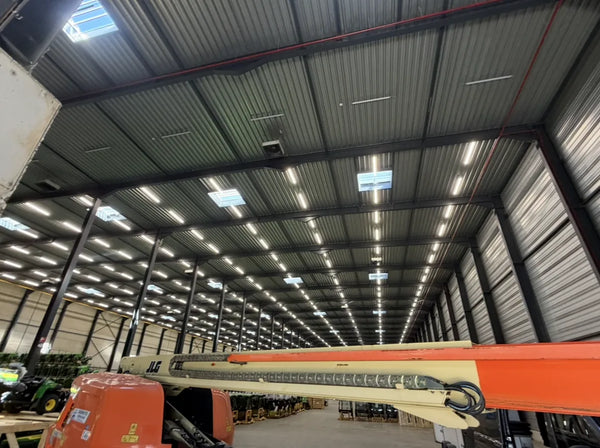
| 60–79 | adequate | Warehouses, rough work, outdoor areas |
| 80–89 | good | Offices, schools, production, workshops (indoor minimum) |
| 90–94 | very good | Retail, hospitality, healthcare, paint shops, showrooms |
| 95 and above | excellent | Colour matching, printing, museums, photo studios |
R9: the hidden weak spot
Ra is an average of only eight rather pastel colours. Saturated red (R9) is not one of them. Many cheap LEDs achieve Ra 80 but have an R9 close to zero or even negative. The result: meat, skin tones, wood and red products look dull. For retail, hospitality and healthcare, check R9 in the data sheet; good values are above 50.
Newer methods such as TM-30 (Rf and Rg) describe colour fidelity and saturation more precisely using 99 test colours. In data sheets, however, Ra remains the standard.
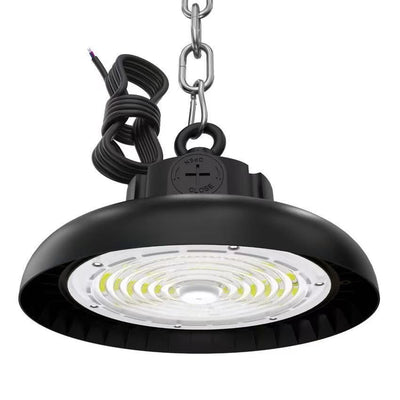
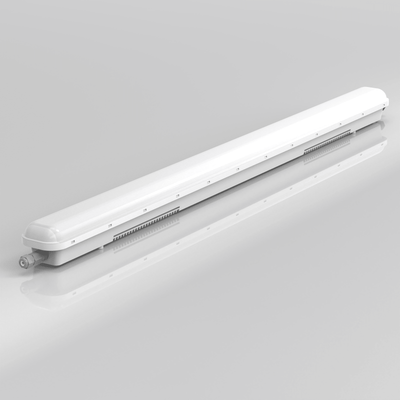
Luminaires with high colour rendering


Efficiency versus colour rendering
Higher colour rendering costs efficiency: an Ra 90 LED usually delivers 10–15% fewer lumens at the same wattage than an Ra 80 version. In warehouses and outdoor areas, Ra 70–80 is therefore often the more economical choice. Where colours are judged or sold, Ra 90 is worth it despite slightly higher consumption. How efficiency is measured in lumens per watt is covered in Lumen vs. Lumen per Watt.
Frequently asked questions
What is the difference between CRI and Ra?
None. CRI (Colour Rendering Index) is the English term; Ra is the general colour rendering index used in standards.
Which Ra value is required for offices?
At least Ra 80 under EN 12464-1 for indoor workplaces.
Is Ra 90 always better?
For colour perception yes, but at the cost of about 10–15% efficiency. In warehouses and outdoors, Ra 80 is usually enough.
What does R9 mean?
R9 describes the rendering of saturated red. It is not included in Ra and is especially important for food, skin and red products.
Does colour temperature affect colour rendering?
No, they are two independent values. A warm white and a daylight white luminaire can have the same colour rendering.
We advise on the right luminaire for your application and prepare a free lighting plan with a no-obligation quote at direct-import prices 2–4× below comparable branded products.
Request advice